


Welcome to the Brown History Newsletter. If you’re enjoying this labor of love, please do consider becoming a paid subscriber. Your contribution would help pay the writers and illustrators and support this weekly publication. If you like to submit a writing piece, please send me a pitch by email at brownhistory1947@gmail.com.
Don’t forget to check out our SHOP and our Podcast.

Recommended Reads:


The “Brown History” of East Africa We Don’t Talk About: Tracing Dominant-Caste Indian Complicity in Anti-Black Violence
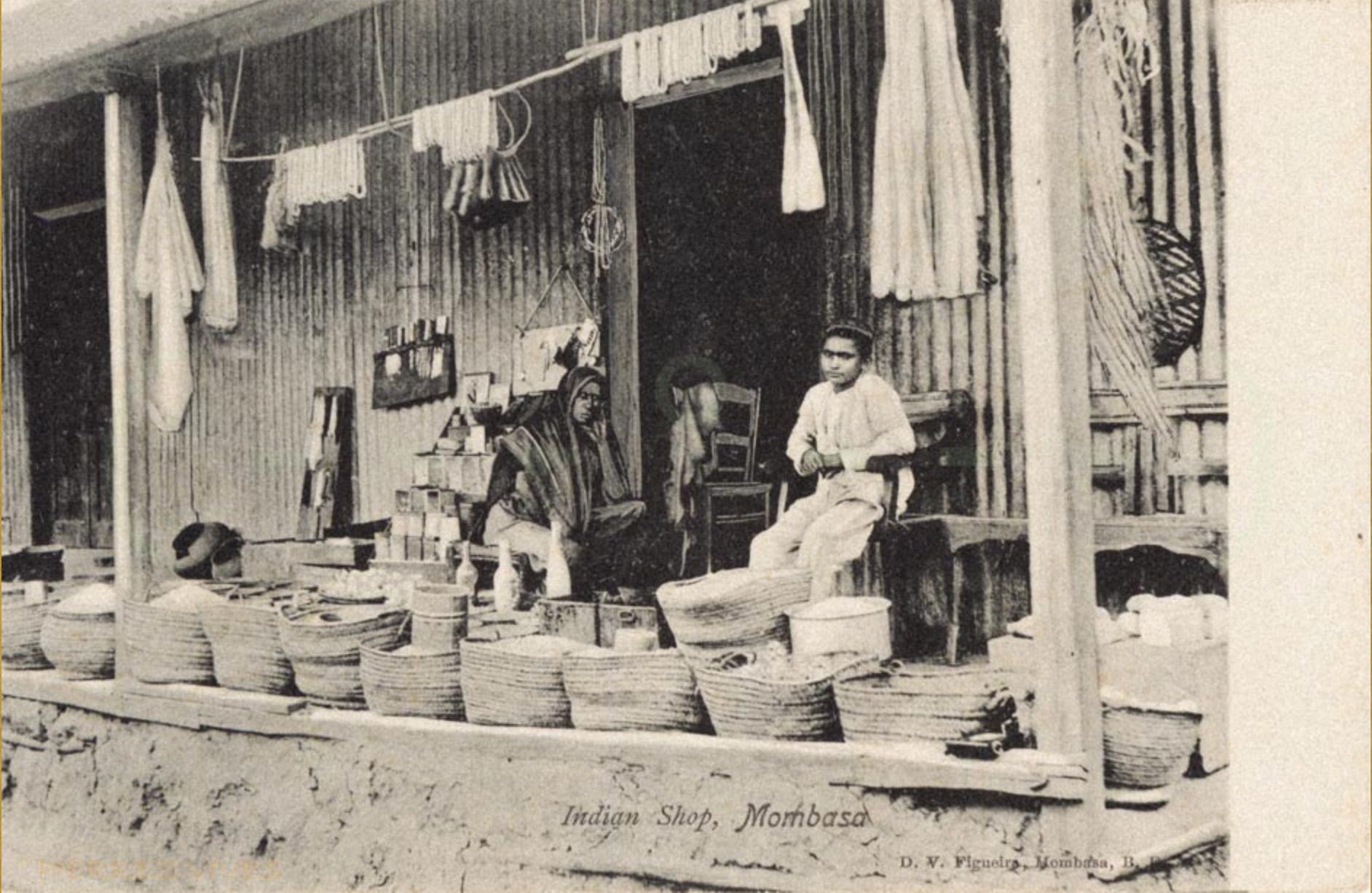
I was ten years old when I first heard of my mother’s tumultuous time spent as a child in Uganda. Having lived four years there between 1975-1979, her family was forced to flee following the evacuation of all UN diplomats from the country, given my Nanaji (maternal grandfather)’s role as a representative of UNESCO. This was seven years after Idi Amin’s infamous Asian Expulsion announcement in 1972. I remember hearing how my mother – at the time just 7 years old – and her family became refugees overnight, as they fugitively crossed the border to Kenya, being forced to leave behind their belongings, community, pet dog, and entire life. I was told how, months later, when my Nanaji had returned to assess the situation in Kampala, he found their family home there so thoroughly ransacked that the electrical sockets had been pulled out from the walls, and their pet dog long gone. I heard this story time and time again as a child – one marked by violation, loss, and racial hurt.
Now, more than a decade later, in the wake of Zohran Mamdani’s mayoral win, and the renewed attention to his family’s exodus from Uganda, I am interested in complicating the histories of Indians in East Africa: the “Brown history” we don’t talk about. My mother’s childhood was notably set within the caste- and class-privileged (Hindu) South Asian diaspora in Uganda. Like Mamdani’s family and many others connected to this context, I, too, have grown up hearing familiar narratives of the intergenerational trauma that followed from the Asian Expulsion. Even though the circumstances were different due to the diplomatic nature of my grandfather’s post, I was also raised with the understanding that to be Indian in East Africa was to be a perpetual outsider in a land that felt like home.